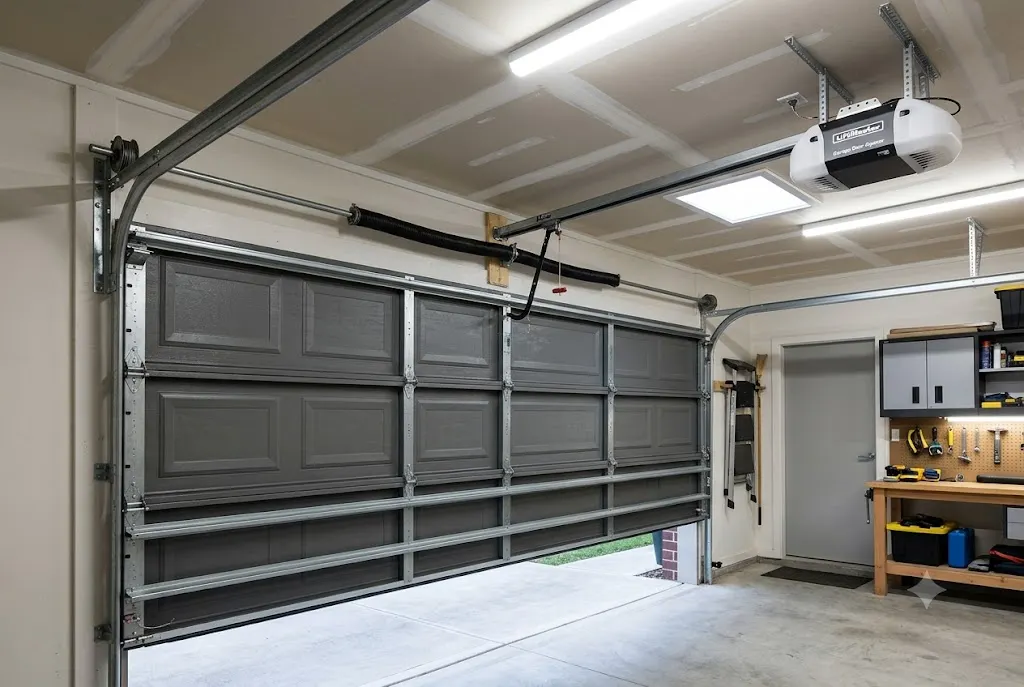
Garage door components work together to ensure smooth, safe, and reliable operation every day. While most people focus on the garage door itself, the performance of the entire system depends on a range of mechanical, electrical, and structural parts operating correctly.
Understanding garage door components can help homeowners identify potential issues early, improve maintenance practices, and make informed decisions when repairs or replacements become necessary. Whether you own a residential or commercial garage door, knowing the purpose of each component contributes to safer and more efficient operation.
From garage door rails and switches to cables, springs, rollers, and lighting systems, every part plays an important role in the functionality of the overall system.
Why Understanding Garage Door Components Matters
Many garage door problems begin with a single worn or damaged component. A faulty switch, misaligned rail, worn cable, or malfunctioning limit switch can quickly affect the performance of the entire system.
By understanding how various components work together, homeowners can recognize warning signs earlier and schedule professional maintenance before major problems develop.
Main Garage Door Components Explained
Garage Door Panels
The panels form the visible structure of the garage door. Depending on the design, doors may consist of multiple sectional panels connected by hinges or a single-piece construction.
Panel materials commonly include steel, aluminum, wood, fiberglass, and composite materials.
Garage Door Springs
Springs are among the most important garage door components because they counterbalance the door’s weight during opening and closing.
The two most common spring systems include:
- Torsion springs
- Extension springs
Properly functioning springs reduce strain on the opener and help ensure smooth operation.
Garage Door Cables
Cables work alongside springs to lift and lower the door safely. They help distribute weight and maintain balance throughout operation.
Over time, cables may fray, stretch, or wear out due to regular use. Homeowners experiencing cable issues can learn more about the process through our guide on garage door cable replacement.
Garage Door Rails
Garage door rails, often called tracks, guide the door as it moves between open and closed positions. These metal channels ensure the door follows a controlled path during operation.
Damaged or misaligned garage door rails can cause:
- Uneven movement
- Excessive noise
- Door binding
- Premature component wear
- Safety risks
Regular inspection helps prevent rail-related problems and extends system lifespan.
Garage Door Rollers
Rollers travel along the rails and allow the door to move smoothly. Depending on the system, rollers may be constructed from steel, nylon, or composite materials.
High-quality rollers reduce operational noise and improve long-term reliability.
Garage Door Hinges
Hinges connect sectional door panels and enable them to bend as the door moves along the track system. Worn hinges can create unusual noises and place additional stress on other components.
Routine lubrication and inspection help maximize hinge lifespan.
Garage Door Switch
A garage door switch controls various operational functions depending on the system design. Wall-mounted switches are commonly used to activate the garage door opener from inside the building.
Modern systems may include:
- Push-button wall switches
- Smart control switches
- Wireless controls
- Integrated security systems
If a garage door fails to respond properly, troubleshooting the switch is often one of the first diagnostic steps.
Garage Door Limit Switch
The garage door limit switch is a critical safety and operational component. It determines how far the door travels when opening or closing.
When the limit switch is correctly adjusted, the door stops at the appropriate position. If it becomes misaligned or malfunctions, several issues can occur:
- Door fails to close completely
- Door reverses unexpectedly
- Door remains partially open
- Motor experiences unnecessary strain
Professional adjustment ensures the opener operates within safe limits.
Garage Door Lights
Many modern garage door opener systems include integrated garage door lights. These lights automatically activate when the opener is used, providing additional visibility and security.
Benefits of garage door lights include:
- Improved nighttime visibility
- Enhanced safety
- Convenient access
- Added security around entry points
Smart garage systems may also allow users to control lighting remotely through mobile applications.
Garage Door Opener System
The opener serves as the motorized heart of an automatic garage door system. It works with the springs, rails, cables, and switches to move the door safely.
Common opener types include:
Chain Drive Openers
Durable and cost-effective but generally noisier than other systems.
Belt Drive Openers
Quieter operation makes them popular for attached garages.
Screw Drive Openers
Require fewer moving parts and provide reliable lifting power.
Smart Garage Door Openers
Allow remote monitoring and control using smartphones and connected home systems.
Weather Seals and Protective Components
While often overlooked, weather protection elements are important garage door components. Seals help prevent dust, water, pests, and outdoor air from entering the garage.
Property owners seeking improved protection can also explore solutions such as a garage door weather seal to improve overall performance and energy efficiency.
Signs That Garage Door Components Need Attention
Several warning signs may indicate component wear or failure:
- Unusual noises during operation
- Slow door movement
- Jerky or uneven travel
- Visible cable damage
- Door imbalance
- Switch response issues
- Frequent opener reversals
- Excessive vibration
Addressing these symptoms early can prevent more expensive repairs later.
Preventive Maintenance for Garage Door Components
Regular maintenance remains the most effective way to maximize the lifespan of garage door systems.
Recommended maintenance practices include inspecting cables, checking rails for alignment, lubricating moving parts, testing safety features, and ensuring switches operate correctly.
Routine professional servicing can also identify hidden issues before they develop into major failures.
Conclusion
Garage door components form a complex system designed to deliver safe, efficient, and reliable operation. From garage door rails and cables to switches, limit switches, lights, and springs, every component contributes to overall performance. Understanding these essential parts helps homeowners maintain their systems properly, recognize potential issues early, and make informed repair decisions when necessary.
For additional technical guidance and industry standards, homeowners can consult the Door & Access Systems Manufacturers Association (DASMA), a respected authority in the garage door industry.
