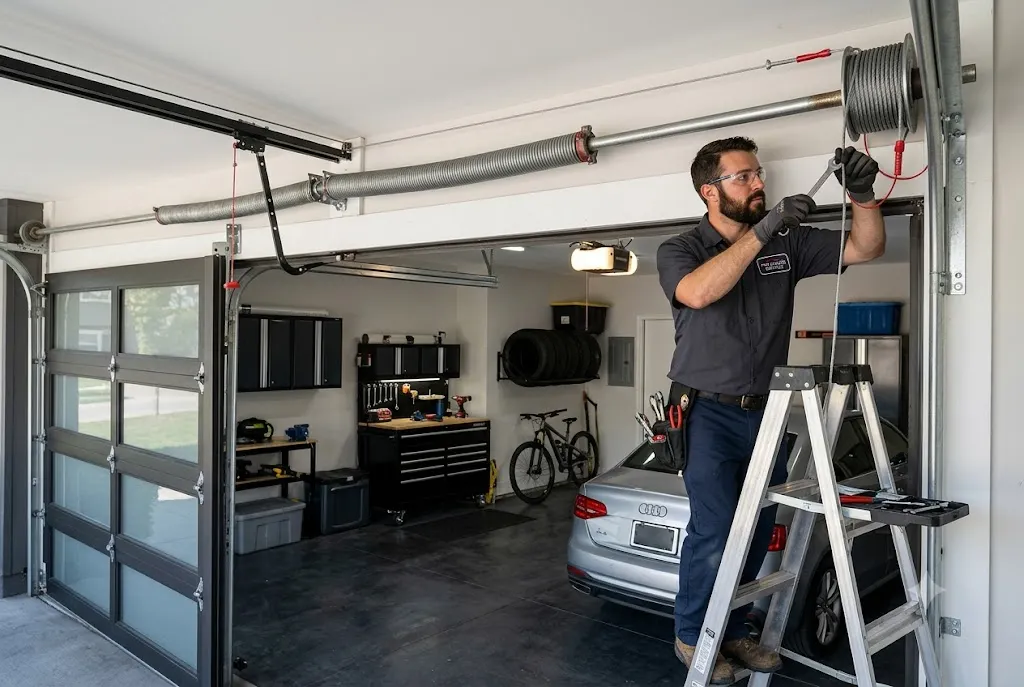
Garage door cable replacement is one of the most important garage door repair services because cables play a critical role in lifting, lowering, and balancing the door. Although often hidden from view, garage door cables work together with springs and other mechanical components to ensure safe and smooth operation.
When a cable becomes worn, frayed, stretched, or broken, the entire garage door system can become unstable. Ignoring cable problems may lead to further damage, operational failure, or serious safety risks. Understanding the warning signs and knowing when replacement is necessary can help homeowners avoid costly repairs and unexpected breakdowns.
Whether you have a residential or commercial garage door, maintaining cables is essential for reliable long-term performance.
What Are Garage Door Cables?
Garage door cables are heavy-duty steel wires that assist the spring system in lifting and lowering the door. They help distribute weight evenly and ensure controlled movement during operation.
Most garage door systems use cables connected to either torsion springs or extension springs. These cables experience significant tension every time the door opens or closes.
Because of the constant stress placed on them, cables naturally wear over time and eventually require replacement.
Why Garage Door Cables Are Important
Garage door cables perform several critical functions within the overall system.
- Support the door’s weight
- Assist spring operation
- Maintain balance during movement
- Prevent sudden door drops
- Improve operational safety
- Reduce stress on other components
Without properly functioning cables, the garage door cannot operate safely or efficiently.
Common Signs You Need Garage Door Cable Replacement
Frayed Cable Strands
One of the most obvious warning signs is visible fraying. Individual strands may begin to separate from the cable, reducing overall strength.
Rust and Corrosion
Moisture exposure can cause corrosion, weakening the cable structure and increasing the likelihood of failure.
Loose or Slack Cables
Cables should remain properly tensioned. Slack cables often indicate an underlying mechanical issue that requires professional inspection.
Uneven Door Movement
If one cable is damaged or stretched, the door may move unevenly or appear tilted during operation.
Strange Noises
Grinding, snapping, or unusual sounds may indicate cable wear or alignment issues.
Broken Cable
A completely broken cable often prevents the garage door from operating properly and requires immediate attention.
What Causes Garage Door Cable Failure?
Several factors contribute to cable deterioration over time.
Normal Wear and Tear
Every opening and closing cycle places stress on the cable. After years of use, replacement becomes necessary.
Poor Maintenance
Lack of routine inspections can allow minor cable damage to progress unnoticed.
Environmental Conditions
Heat, humidity, dust, and moisture exposure may accelerate cable wear and corrosion.
Improper Door Balance
A poorly balanced garage door places additional strain on cables and other hardware.
How Garage Door Cables Work With Other Components
Cables do not operate independently. They function alongside springs, rollers, tracks, and various garage door components that collectively support safe door movement.
If one component experiences excessive wear, it can place additional stress on the cables and increase the risk of premature failure.
For this reason, professional technicians typically inspect the entire system when replacing cables.
The Relationship Between Cables and Garage Door Rails
Garage door cables and garage door rails work together to guide controlled movement during operation.
When rails become bent, misaligned, or damaged, additional strain can be placed on lifting cables. Over time, this may contribute to accelerated cable wear.
Regular inspections help identify rail-related problems before they affect cable performance.
Is Garage Door Cable Replacement Dangerous?
Yes. Garage door cables operate under significant tension, particularly when connected to torsion spring systems.
Improper handling can result in:
- Personal injury
- Spring release accidents
- Door collapse
- Property damage
- Additional component failure
Because of these risks, professional replacement is generally recommended.
What Happens During Garage Door Cable Replacement?
A professional cable replacement service typically includes:
- Inspection of the entire garage door system
- Identification of cable wear or failure
- Safe release of spring tension
- Removal of damaged cables
- Installation of new cables
- Balance testing
- Safety inspections
- Operational testing
This process helps ensure reliable and safe performance after installation.
How Long Do Garage Door Cables Last?
The lifespan of garage door cables depends on usage frequency, environmental conditions, maintenance quality, and overall system health.
Under normal residential conditions, quality cables often provide many years of service before replacement becomes necessary. Regular inspections can help maximize lifespan and identify wear before failure occurs.
Preventing Premature Cable Wear
While all cables eventually wear out, proper maintenance can significantly extend their service life.
Schedule Regular Inspections
Routine professional inspections help identify early signs of damage.
Keep Moving Parts Maintained
Proper maintenance of rollers, tracks, springs, and other mechanical parts reduces unnecessary stress on cables.
Protect Against Moisture
Minimizing moisture exposure helps reduce corrosion risks.
Maintain Proper Sealing
A quality garage door weather seal can help reduce environmental exposure and protect the overall garage door system.
When Should You Call a Professional?
Homeowners should seek professional assistance immediately if they notice cable fraying, broken strands, slack cables, unusual door movement, or operational difficulties.
Prompt action can prevent additional damage and help avoid more expensive repairs.
Conclusion
Garage door cable replacement is a critical maintenance and repair service that directly affects safety, reliability, and performance. Because cables support the weight of the garage door and work alongside springs and rails, even minor damage should never be ignored. Regular inspections, preventive maintenance, and professional replacement when necessary help ensure smooth operation and extend the lifespan of the entire garage door system.
For additional information regarding garage door safety and maintenance standards, homeowners can consult the Door & Access Systems Manufacturers Association (DASMA).
