
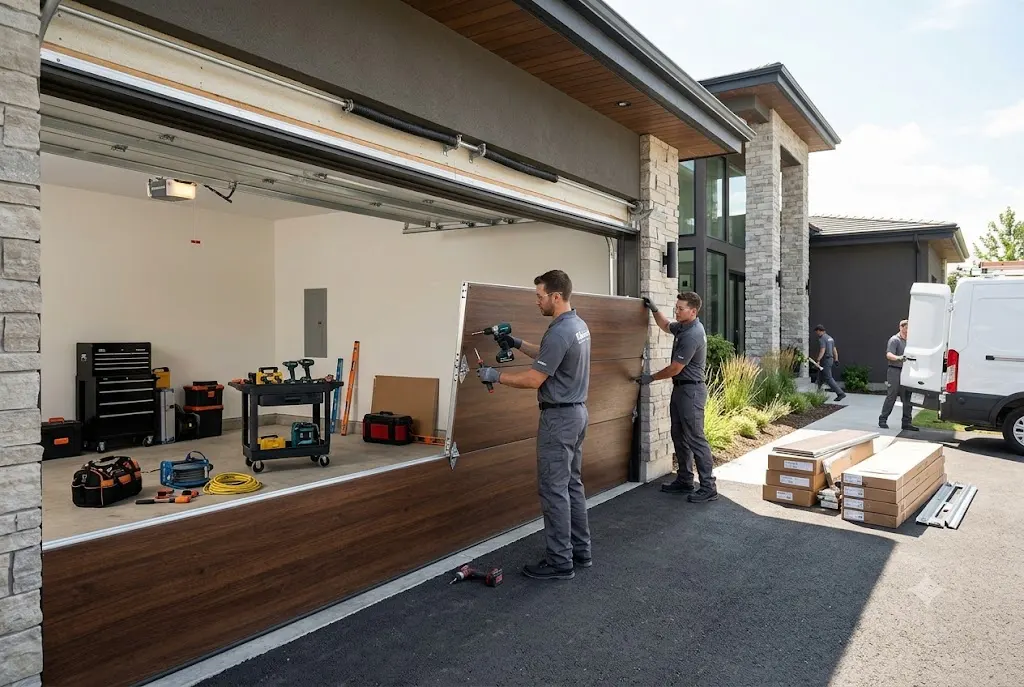
Garage door installation is one of the most important upgrades a property owner can make to improve security, convenience, functionality, and curb appeal. Whether for a residential villa, commercial building, warehouse, or industrial facility, a properly installed garage door can provide years of reliable performance while enhancing the property’s overall value.
However, installing a garage door involves much more than selecting a design and mounting the panels. Factors such as door type, automation requirements, structural conditions, safety systems, and long-term maintenance all play a role in achieving a successful installation.
This guide explains the garage door installation process, the factors that influence garage door installation cost, and what property owners should know before starting a project.
Why Professional Garage Door Installation Matters
A garage door is a complex mechanical system that includes tracks, springs, rollers, cables, safety devices, and automation components. Proper installation ensures that these parts function together safely and efficiently.
Poor installation can lead to operational issues, premature wear, safety concerns, and costly repairs. Professional installation helps ensure the garage door performs as intended from day one.
Benefits of a Properly Installed Garage Door
Enhanced Security
A quality garage door installation helps protect vehicles, equipment, and personal belongings while improving property security.
Improved Convenience
Modern garage doors can be integrated with advanced automation systems, allowing users to operate doors remotely and monitor access activity.
Better Energy Efficiency
Insulated garage doors can help improve temperature control and reduce heat transfer, particularly in warmer climates.
Long-Term Reliability
Correct installation reduces unnecessary strain on components and supports long-term operational performance.
Types of Garage Doors Available for Installation
Sectional Garage Doors
Sectional garage doors are among the most popular choices for residential properties because they maximize available space while providing smooth operation.
Roller Garage Doors
Roller systems are ideal for garages with limited ceiling space and are commonly used in both residential and commercial environments.
Overhead Garage Doors
Overhead garage doors remain a versatile solution suitable for many property types.
Industrial Garage Doors
Warehouses, logistics facilities, and manufacturing plants often require heavy-duty industrial garage doors designed for frequent use.
The Garage Door Installation Process
Site Assessment
The installation process begins with a detailed assessment of the garage opening, surrounding structure, and operational requirements.
Installers typically evaluate:
- Opening dimensions
- Headroom availability
- Side clearance requirements
- Structural support conditions
- Electrical requirements
Garage Door Selection
Choosing the right garage door involves evaluating aesthetics, functionality, insulation needs, automation compatibility, and long-term maintenance requirements.
Homeowners comparing premium residential options may find our guide on Amarr garage doors Dubai helpful when exploring quality garage door solutions.
Track and Hardware Installation
After preparation, installers mount tracks, brackets, rollers, and supporting hardware according to manufacturer specifications.
Door Assembly and Installation
The garage door panels are assembled and positioned within the track system to ensure smooth movement and proper alignment.
Spring System Setup
Garage door springs help counterbalance the door’s weight, making operation safer and more efficient.
Automation Integration
Many modern installations include automated openers and smart access controls.
Property owners interested in advanced automation may want to explore LiftMaster garage door opener systems, which are known for their smart features and reliable performance.
Testing and Safety Inspection
Before completion, installers perform testing procedures to verify proper operation, safety sensor functionality, and system balance.
What Affects Garage Door Installation Cost?
Garage door installation cost varies depending on several project-specific factors.
Garage Door Type
Different door styles require different installation approaches and component requirements.
Door Size
Larger garage doors generally require additional materials, hardware, and labor.
Material Selection
Steel, aluminum, wood, and composite doors each have different cost structures and performance characteristics.
Automation Features
Smart openers, remote access systems, and advanced security features can affect the overall project budget.
Insulation Requirements
Insulated garage doors often involve additional materials that influence installation costs.
Structural Modifications
Projects requiring structural adjustments may involve additional labor and construction work.
For a deeper understanding of automation-related pricing considerations, readers can review our guide on automatic garage doors prices.
Residential Garage Door Installation
Residential installations typically focus on balancing functionality, appearance, and convenience. Homeowners often prioritize:
- Curb appeal
- Quiet operation
- Smart technology integration
- Energy efficiency
- Security features
Many residential projects involve premium garage doors that complement the architectural style of the property.
Commercial and Industrial Garage Door Installation
Commercial installations require specialized planning because of larger door sizes, higher operating frequencies, and more demanding operational environments.
Businesses evaluating industrial-grade systems frequently consider Crawford garage doors Dubai for warehouses, logistics centers, and industrial facilities.
How to Choose the Right Garage Door Installer
Selecting an experienced installation company is just as important as choosing the garage door itself.
When evaluating installers, consider:
- Industry experience
- Product knowledge
- Installation expertise
- Warranty support
- Customer service quality
- Maintenance capabilities
Working with qualified professionals helps ensure safe and reliable project execution.
Maintenance After Installation
Once the garage door is installed, routine maintenance helps maximize performance and lifespan.
- Inspect moving components regularly.
- Lubricate rollers and hinges.
- Test safety systems.
- Check door balance.
- Schedule periodic professional inspections.
Preventive maintenance can help identify minor issues before they develop into costly repairs.
Industry Standards and Safety Recommendations
Garage door installations should comply with recognized industry standards and manufacturer recommendations. Property owners and contractors can access valuable guidance from the Door & Access Systems Manufacturers Association (DASMA), which provides resources related to garage door safety, operation, and maintenance.
Following established best practices helps improve safety, reliability, and long-term performance.
Conclusion
Garage door installation is a significant investment that affects security, convenience, energy efficiency, and property value. Understanding the installation process, garage door installation cost factors, automation options, and maintenance requirements can help property owners make informed decisions.
Whether installing a garage door for a home, commercial building, or industrial facility, partnering with experienced professionals and selecting quality products can ensure dependable performance for many years to come.
