
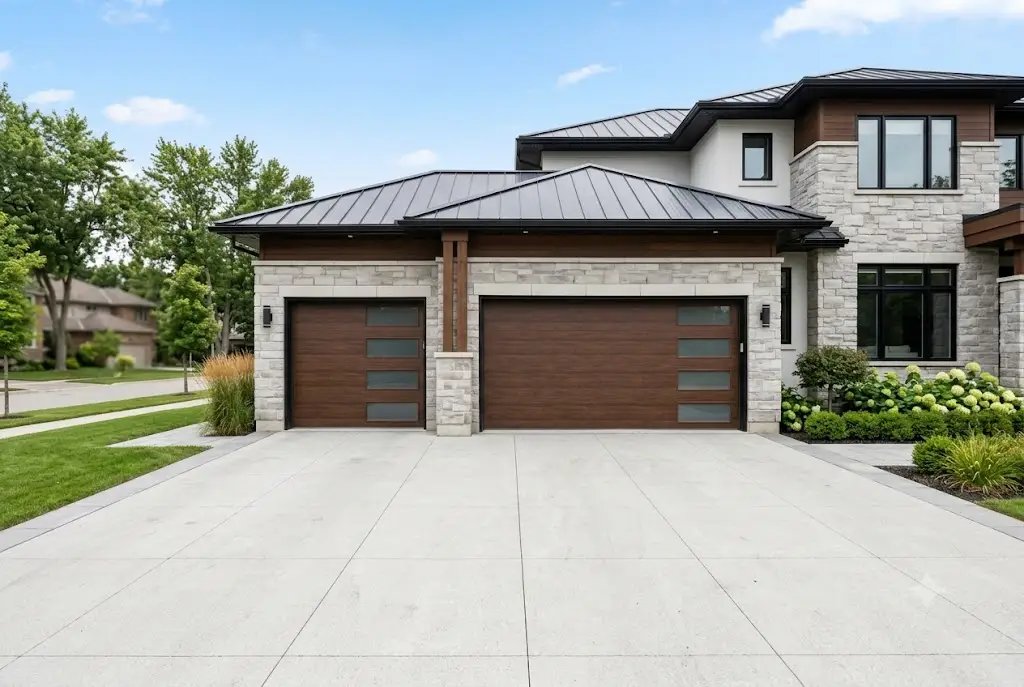
Choosing the correct standard garage door width is one of the most important decisions when building a new garage or replacing an existing door. The width of a garage door affects vehicle access, usability, storage flexibility, and overall convenience. Selecting the wrong size can lead to parking difficulties, reduced functionality, and costly modifications later.
Whether you need a door for a single-car garage, a double garage, or a larger custom space, understanding standard garage door dimensions helps ensure a practical and efficient installation. Modern manufacturers offer several standard sizes designed to accommodate different vehicle types and garage layouts.
In this guide, we’ll explore common garage door widths, double garage door sizes, 2 car garage door dimensions, and important factors to consider before choosing the right door.
What Is the Standard Garage Door Width?
The standard garage door width depends on the type of garage and the number of vehicles it is intended to accommodate.
For residential properties, the most common garage door widths include:
- 8 feet wide
- 9 feet wide
- 10 feet wide
- 12 feet wide
- 14 feet wide
- 16 feet wide
- 18 feet wide
Single-car garages typically use narrower doors, while double garages require wider openings to allow comfortable access for multiple vehicles.
Standard Width for Single Garage Doors
Single garage doors are designed for one vehicle and are commonly installed in residential homes.
8-Foot Garage Door
An 8-foot-wide garage door was once considered a common standard for smaller vehicles. However, modern vehicles are often wider, making larger doors more practical.
9-Foot Garage Door
A 9-foot-wide door is currently one of the most popular options for single-car garages because it provides more comfortable vehicle access.
10-Foot Garage Door
Some homeowners choose 10-foot-wide doors for larger vehicles such as SUVs, pickup trucks, and utility vehicles.
Double Garage Door Size Options
A double garage door is designed to accommodate two vehicles through a single opening. These doors are commonly installed in modern residential garages because they provide greater convenience and a cleaner exterior appearance.
Common double garage door size options include:
- 12 feet wide
- 14 feet wide
- 16 feet wide
- 18 feet wide
Among these dimensions, 16 feet is often considered the standard width for a two-car garage.
Homeowners planning a larger garage can also explore our detailed guide on double door garage door configurations and design options.
2 Car Garage Door Size Explained
Many homeowners searching for a 2 car garage door size want to know how much space is required for comfortable vehicle access.
A standard 2 car garage door size is usually:
- 16 feet wide
- 7 feet high
However, some garages may use:
- 14-foot-wide doors for compact vehicle storage
- 18-foot-wide doors for larger vehicles and additional clearance
The ideal width depends on vehicle size, parking habits, and available garage space.
2 Car Garage Door Dimensions and Clearance Requirements
When evaluating 2 car garage door dimensions, width is only one factor. Property owners should also consider:
- Vehicle mirror clearance
- Door opening height
- Driveway approach angle
- Storage requirements
- Future vehicle upgrades
Leaving additional clearance can improve safety and reduce the risk of accidental contact with door frames.
Standard Garage Door Heights
Although width receives the most attention, height also plays an important role.
Common residential garage door heights include:
- 7 feet
- 8 feet
Taller garage doors are often recommended for larger SUVs, trucks, vans, and recreational vehicles.
Choosing the Right Garage Door Width
Several factors should influence your final decision.
Vehicle Type
Larger vehicles require wider access points for comfortable entry and exit.
Garage Usage
If the garage serves as a workshop, storage area, or multipurpose space, additional width may improve functionality.
Future Needs
Homeowners planning to purchase larger vehicles should account for future requirements during installation.
Property Design
The garage door should complement the overall architecture and exterior proportions of the home.
How Garage Door Width Affects Curb Appeal
The size of a garage door significantly influences the appearance of a property’s exterior.
A properly sized garage door creates visual balance and contributes to overall curb appeal. Many homeowners further enhance aesthetics by adding decorative garage door windows that improve both appearance and natural lighting.
Custom Garage Door Widths
While standard sizes satisfy most residential needs, some properties require custom dimensions.
Custom garage doors are commonly used for:
- Luxury homes
- Oversized vehicles
- Boat storage
- RV garages
- Commercial applications
Custom sizing allows homeowners to maximize available space while meeting specific functional requirements.
Professional Measurement Is Important
Before purchasing a garage door, accurate measurements are essential.
Professional installers evaluate:
- Opening width
- Opening height
- Headroom
- Side room clearance
- Backroom depth
Precise measurements help prevent installation issues and ensure smooth operation.
Conclusion
The standard garage door width varies depending on whether the garage is designed for one or two vehicles. While 9-foot-wide doors are common for single garages, 16-foot-wide doors remain the most popular choice for double garages and two-car configurations. Understanding garage door dimensions, clearance requirements, and future needs helps homeowners choose a solution that delivers convenience, safety, and long-term value.
For additional information on garage door sizing standards and industry best practices, homeowners can consult the Door & Access Systems Manufacturers Association (DASMA).
