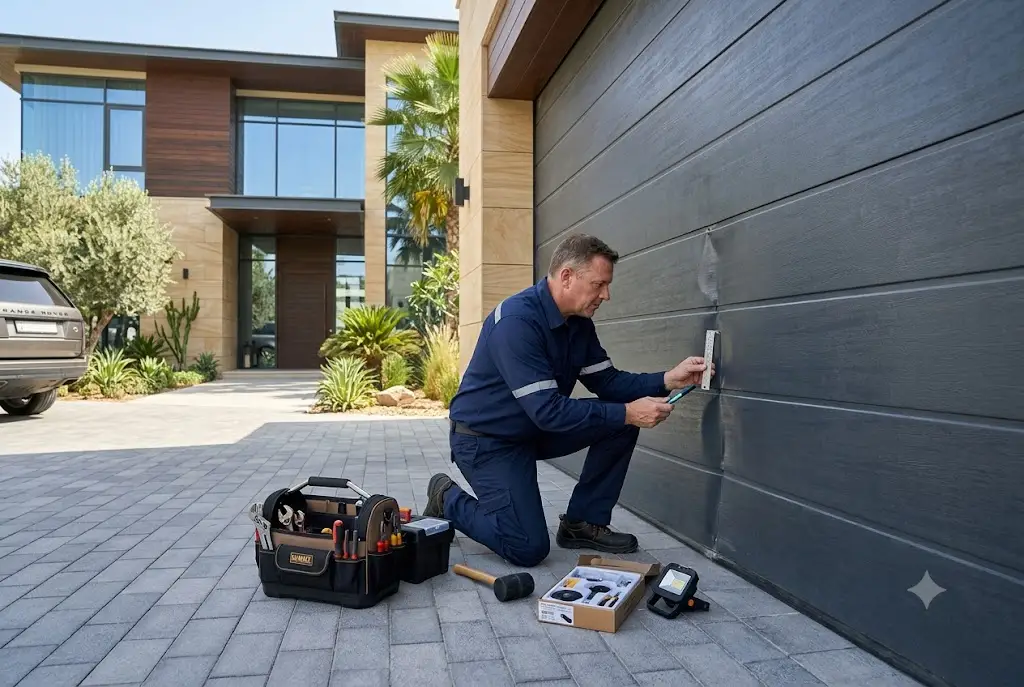
Garage doors are designed to provide security, protection, and convenience, but they are also exposed to daily wear and occasional impacts. Whether caused by a vehicle, sports equipment, heavy objects, or accidental contact, dents can affect both the appearance and functionality of a garage door.
While some dents are purely cosmetic, others can interfere with alignment, movement, and overall system performance. Understanding when garage door dent repair is necessary can help property owners maintain the safety, efficiency, and appearance of their garage door systems.
For a broader understanding of garage door components, maintenance practices, and common repair issues, this detailed garage door repair guide Dubai provides valuable information for homeowners and businesses.
What Causes Garage Door Dents?
Garage doors can sustain damage from various sources. Some dents develop gradually, while others occur suddenly due to accidental impacts.
Common causes of garage door dents include:
- Vehicle contact during parking
- Bicycles or motorcycles hitting the door
- Sports equipment impacts
- Falling tools or heavy objects
- Construction or maintenance accidents
- Strong wind-driven debris
- Commercial equipment collisions
- Moving furniture or storage items
The extent of the damage often depends on the garage door material, impact force, and location of the dent.
Are Garage Door Dents Only Cosmetic?
Many property owners assume that dents only affect appearance. While minor surface damage may not immediately impact operation, larger dents can create structural and mechanical issues.
Depending on the location and severity of the damage, dents may:
- Disrupt panel alignment
- Create uneven movement
- Place additional stress on tracks
- Increase roller wear
- Affect weather sealing
- Reduce energy efficiency
- Impact overall curb appeal
This is why damaged panels should be evaluated rather than ignored.
Common Types of Garage Door Dent Damage
Minor Surface Dents
Small dents often affect only the outer appearance of the garage door. These are typically caused by light impacts and may not interfere with operation.
However, even cosmetic damage can reduce the visual appeal of a property, especially in residential communities where exterior appearance matters.
Panel Deformation
Larger impacts can cause garage door panels to bend or deform. This may affect how the door moves along its tracks and place additional strain on other components.
Panel damage often requires professional assessment to determine the most suitable repair approach.
Structural Damage
Severe impacts can affect the structural integrity of the door. In these situations, repair requirements may extend beyond the damaged panel itself and involve tracks, rollers, hinges, or support mechanisms.
Comprehensive inspection helps identify hidden damage that may not be immediately visible.
How Dents Affect Garage Door Operation
Garage doors rely on precise alignment to operate smoothly. A damaged panel can interfere with the movement of the door and create additional resistance during operation.
Common operational symptoms include:
- Unusual noises
- Uneven movement
- Increased vibration
- Difficulty opening or closing
- Track alignment issues
- Excessive strain on rollers
- Motor performance problems
Addressing these issues early can help prevent more extensive repairs later.
When Dent Damage Leads to Motor Problems
Automatic garage doors depend on smooth movement to operate efficiently. When dented panels create resistance, the motor must work harder to move the door.
Over time, this additional strain can contribute to wear within the opener system. Property owners experiencing operational difficulties may also require professional garage door motor repairs if the motor has been affected by prolonged stress.
Protecting the motor often begins with correcting alignment issues caused by damaged panels.
Can Dented Panels Affect Springs and Rollers?
Yes. Garage door systems are designed to distribute weight evenly across multiple components. A damaged panel can alter this balance and increase stress on springs, rollers, and lifting mechanisms.
As a result, technicians may also inspect related components such as:
- Springs
- Cables
- Rollers
- Tracks
- Hinges
- Support brackets
In some situations, professional garage door spring repair or garage roller door repairs may be recommended alongside dent repairs.
Repair or Replace the Damaged Panel?
One of the most common questions property owners ask is whether a dented panel should be repaired or replaced. The answer depends on several factors.
Technicians typically evaluate:
- Size and depth of the dent
- Panel material
- Location of the damage
- Structural integrity
- Effect on door operation
- Availability of matching replacement panels
Minor dents may be repairable, while severe structural damage may require panel replacement.
Dent Damage on Automatic Garage Doors
Automatic systems require accurate alignment to function properly. Even small panel distortions can interfere with sensors, motor performance, and opening mechanisms.
Property owners experiencing automation issues after impact damage may benefit from professional automatic garage door repair Dubai services that evaluate the entire system.
A complete inspection often identifies additional problems that may have developed following the impact.
When Garage Door Dent Repair Becomes Urgent
Although some dents are cosmetic, others can create immediate safety or security concerns. Severe damage may prevent the door from closing properly or compromise structural stability.
Situations requiring prompt attention include:
- Garage door stuck open
- Door unable to close completely
- Track damage affecting operation
- Visible structural deformation
- Motor overload conditions
- Safety concerns caused by instability
In these cases, professional emergency garage door repair services may be required to restore safe operation.
Preventing Future Garage Door Damage
While accidents cannot always be avoided, several measures can help reduce the risk of future damage.
- Maintain adequate lighting around the garage
- Keep driveways clear of obstacles
- Perform routine inspections
- Address minor alignment issues early
- Monitor automatic system performance
- Schedule regular maintenance visits
Preventive care can help identify vulnerabilities before significant damage occurs.
The Importance of Professional Inspection
Dent damage often affects more than just the visible surface of the garage door. Hidden issues involving rollers, tracks, springs, hinges, or automation systems may not be immediately obvious.
The Door and Access Systems Manufacturers Association (DASMA) recommends regular inspections and maintenance to help identify damage, maintain safe operation, and improve overall system reliability.
Professional evaluation ensures that both cosmetic and functional issues are addressed appropriately.
Final Thoughts
Garage door dents can range from minor cosmetic imperfections to significant structural problems that affect safety and operation. Understanding the potential impact of dent damage allows property owners to make informed decisions about repairs and maintenance.
Whether the issue involves a small surface dent, a damaged panel, or operational problems caused by impact damage, timely garage door dent repair helps maintain security, appearance, and long-term system performance. Early intervention often prevents more extensive repairs and keeps the garage door functioning smoothly for years to come.
