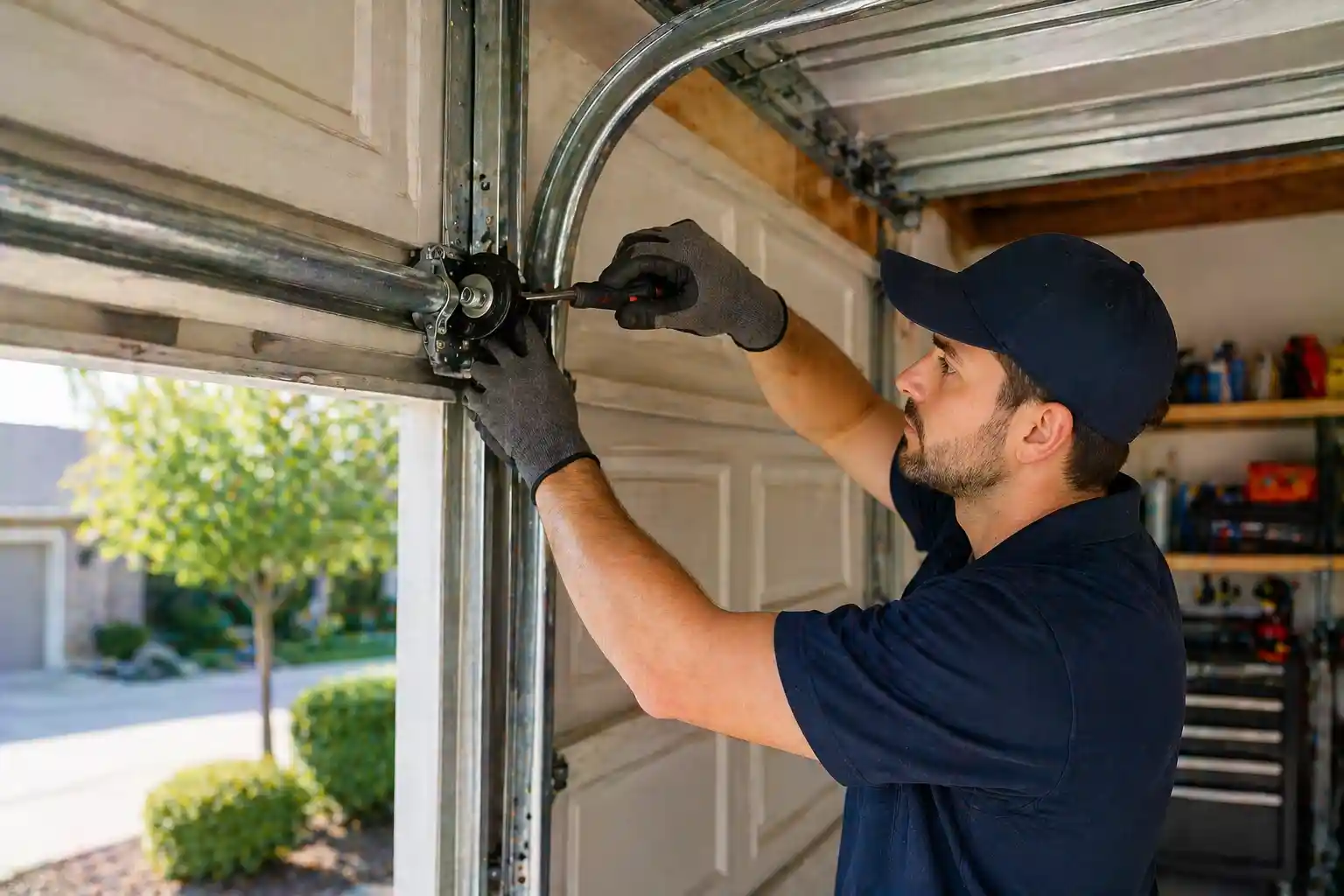
A noisy garage door is one of the most common problems homeowners face. While it may seem like a minor annoyance at first, unusual sounds can often signal underlying issues that need attention.
If your garage door is making grinding, squeaking, or rattling noises, it’s important to identify the cause early. Ignoring these signs can lead to bigger and more expensive repairs over time.
Why Is Your Garage Door So Noisy?
Garage doors rely on multiple moving parts working together smoothly. When one component wears out or becomes loose, it can create noticeable noise during operation.
- Worn-out rollers
- Loose hardware
- Lack of lubrication
- Misaligned tracks
- Damaged springs
- Opener issues
1. Worn-Out Rollers
Rollers help your garage door move smoothly along the tracks. Over time, they can wear out, crack, or lose their ability to glide properly.
This often results in grinding or squeaking sounds when the door opens or closes. Replacing worn rollers can significantly reduce noise and improve overall performance.
2. Loose Hardware
Garage doors move up and down several times a day, which can gradually loosen bolts, nuts, and brackets. When these components become loose, they create rattling or vibrating sounds.
A simple tightening of hardware can often resolve this issue quickly.
3. Lack of Lubrication
One of the most common reasons for a noisy garage door is lack of lubrication. Metal parts such as hinges, rollers, and springs need regular lubrication to function smoothly.
Without it, friction increases and leads to squeaking or grinding sounds. Applying proper garage door lubricant can make a noticeable difference.
4. Misaligned or Dirty Tracks
If the tracks are misaligned or filled with debris, the door may struggle to move properly. This can create scraping or grinding noises.
Cleaning the tracks and checking alignment can help restore smooth operation.
5. Damaged or Worn Springs
Springs play a critical role in balancing the garage door. If they are worn or damaged, the door may produce loud noises during movement.
This is a serious issue that should be handled by a professional technician for safety reasons.
6. Garage Door Opener Issues
Sometimes the noise is not coming from the door itself but from the opener. Worn gears, motor issues, or loose components inside the opener can create humming or grinding sounds.
Inspecting the opener system can help identify whether it needs repair or adjustment.
How to Fix a Noisy Garage Door
Some garage door noise issues can be fixed with simple maintenance, while others require professional repair.
- Lubricate moving parts regularly
- Tighten loose hardware
- Clean tracks and remove debris
- Inspect rollers for wear
- Check for visible damage
If the noise continues after basic maintenance, it’s best to call a professional technician to avoid further damage.
When Should You Call a Professional?
If your garage door is making loud or unusual noises consistently, it’s a sign that something isn’t working correctly. Issues with springs, cables, or internal opener parts should always be handled by experts.
A professional repair service can diagnose the issue accurately and fix it safely, preventing more costly problems later.
Final Thoughts
A noisy garage door is more than just an inconvenience—it’s often a warning sign. By addressing the issue early, you can extend the life of your garage door and keep it operating smoothly.
Regular maintenance and timely repairs will help ensure your garage door remains quiet, safe, and reliable for everyday use.
Must Read Articles:
Garage Door Opener Not Working? Here’s What Could Be Wrong
Broken Garage Door Spring? Here’s What You Should Know
Garage Door Off Track? Here’s What You Need to Know
Garage Door Not Opening? Here’s What Could Be Wrong
