A garage door weather seal is one of the most important yet often overlooked components of a garage door system. While homeowners frequently focus on springs, openers, and panels, weather seals play a critical role in protecting the garage from dust, water, pests, wind, and temperature fluctuations.
Whether you own a residential or commercial property, a properly installed garage door weather seal helps improve comfort, maintain cleanliness, and protect belongings stored inside the garage. In regions such as the UAE, where dust and heat can be persistent challenges, quality sealing solutions can make a noticeable difference.
Understanding the different types of weather seals and knowing when to replace them can help maximize the performance and lifespan of your garage door system.
What Is a Garage Door Weather Seal?
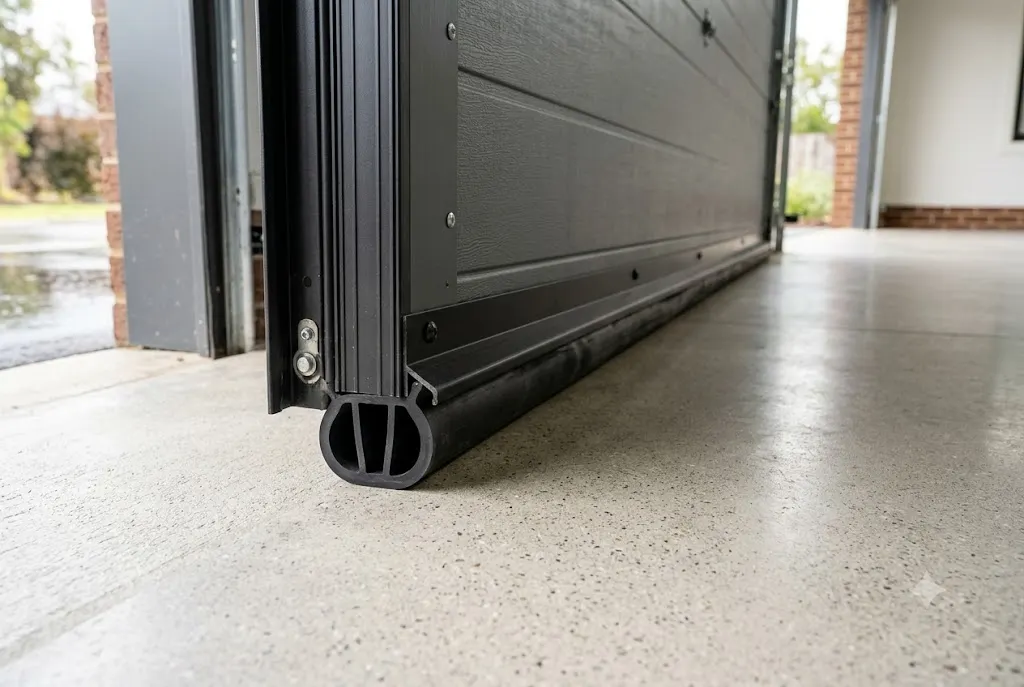
A garage door weather seal is a protective barrier installed around the edges of a garage door to reduce gaps between the door and surrounding surfaces. These seals help block outdoor elements from entering the garage while improving overall insulation and protection.
Weather seals can be installed along the bottom, sides, and top of the garage door depending on the specific requirements of the installation.
Why Garage Door Weather Seals Are Important
Even small gaps around a garage door can allow unwanted elements to enter the space. Over time, these gaps may increase due to normal wear, ground settlement, or environmental exposure.
A quality weather seal helps:
- Prevent dust infiltration
- Reduce water intrusion
- Keep insects and pests out
- Improve insulation performance
- Reduce drafts
- Protect stored belongings
- Improve overall garage cleanliness
These benefits contribute to a more comfortable and functional garage environment.
Garage Door Bottom Seal Types
The bottom seal is typically the most important weather protection component because it creates a barrier between the garage door and the floor.
Bulb Bottom Seal
Bulb seals feature a rounded rubber profile that compresses when the door closes. They are commonly used because they provide excellent sealing performance on slightly uneven floors.
Beaded Bottom Seal
Beaded seals slide into specially designed retainers and are frequently found on modern garage door systems.
T-Style Bottom Seal
T-style seals use T-shaped edges that fit securely into tracks located along the bottom of the door.
J-Type Bottom Seal
These seals form a J-shaped profile when compressed and are commonly used to improve weather resistance.
U-Shaped Bottom Seal
U-shaped seals provide broad surface contact and are often selected for enhanced protection against dust and moisture.
Side and Top Garage Door Seals
While bottom seals receive the most attention, side and top seals are equally important for complete protection.
These seals help close gaps between the garage door and surrounding frame, preventing drafts and reducing exposure to outdoor conditions.
When combined with properly functioning garage door components, weather seals contribute significantly to overall system performance.
Signs Your Garage Door Weather Seal Needs Replacement
Weather seals naturally deteriorate over time due to environmental exposure and repeated door operation.
Common signs of seal failure include:
- Visible cracks or tears
- Brittle rubber material
- Water entering the garage
- Increased dust accumulation
- Pest intrusion
- Noticeable drafts
- Flattened or compressed seal sections
Replacing worn seals promptly helps prevent larger issues from developing.
Benefits of Replacing an Old Weather Seal
Improved Protection
New seals provide a tighter barrier against environmental contaminants.
Better Energy Efficiency
Reducing air leaks helps maintain more stable temperatures inside the garage.
Enhanced Comfort
Attached garages often benefit from reduced heat transfer and improved indoor comfort.
Extended Door Lifespan
Protecting internal components from moisture and debris can help reduce long-term wear.
How Weather Seals Support Garage Door Performance
Weather seals work alongside other mechanical and structural parts of the garage door system.
For example, maintaining a proper seal can reduce the amount of dirt and debris that reaches moving components. This can help preserve the condition of tracks, rollers, cables, and other critical parts.
Homeowners addressing cable-related maintenance may also benefit from reviewing our guide on garage door cable replacement to better understand overall garage door system care.
Choosing the Right Garage Door Weather Seal
Several factors should be considered when selecting a replacement weather seal.
Door Type
Different garage doors require different seal profiles and mounting methods.
Floor Condition
Uneven floors often benefit from larger or more flexible seal designs.
Climate Conditions
Weather-resistant materials are essential in environments exposed to heat, dust, moisture, or heavy use.
Material Quality
High-quality rubber and synthetic materials generally provide longer service life and improved performance.
Maintenance Tips for Garage Door Weather Seals
Routine maintenance can significantly extend seal lifespan.
Recommended maintenance practices include:
- Regular cleaning to remove dirt and debris
- Inspecting for cracks and wear
- Checking seal alignment
- Replacing damaged sections promptly
- Monitoring for water or dust infiltration
Preventive maintenance helps ensure consistent performance throughout the year.
Professional Installation vs DIY Replacement
Some weather seal replacements can be completed by experienced homeowners. However, professional installation often ensures proper fitment and maximum sealing performance.
Garage door specialists can also identify underlying issues that may contribute to premature seal wear, such as door alignment problems or damaged hardware.
Conclusion
A garage door weather seal is a simple but highly effective component that helps protect garages from dust, moisture, pests, and temperature fluctuations. Understanding the different garage door bottom seal types and recognizing signs of wear can help homeowners maintain a cleaner, safer, and more energy-efficient garage. With proper selection and regular maintenance, weather seals can provide long-lasting protection and improve overall garage door performance.
For additional information regarding garage door systems and maintenance standards, homeowners can consult the Door & Access Systems Manufacturers Association (DASMA).
