
A modern home energy project has to match generation with daily consumption. A solar energy system can turn available rooftop sunlight into usable electricity, but the final design depends on roof conditions, household loads, grid rules, and the way the home uses power throughout the day. Project planning is easier when the main operating requirement is clear from the beginning. A sound project brief explains what must be measured, who will act on alarms, and how performance will be verified after installation. The central design task is to connect the selected equipment with a clear site requirement.
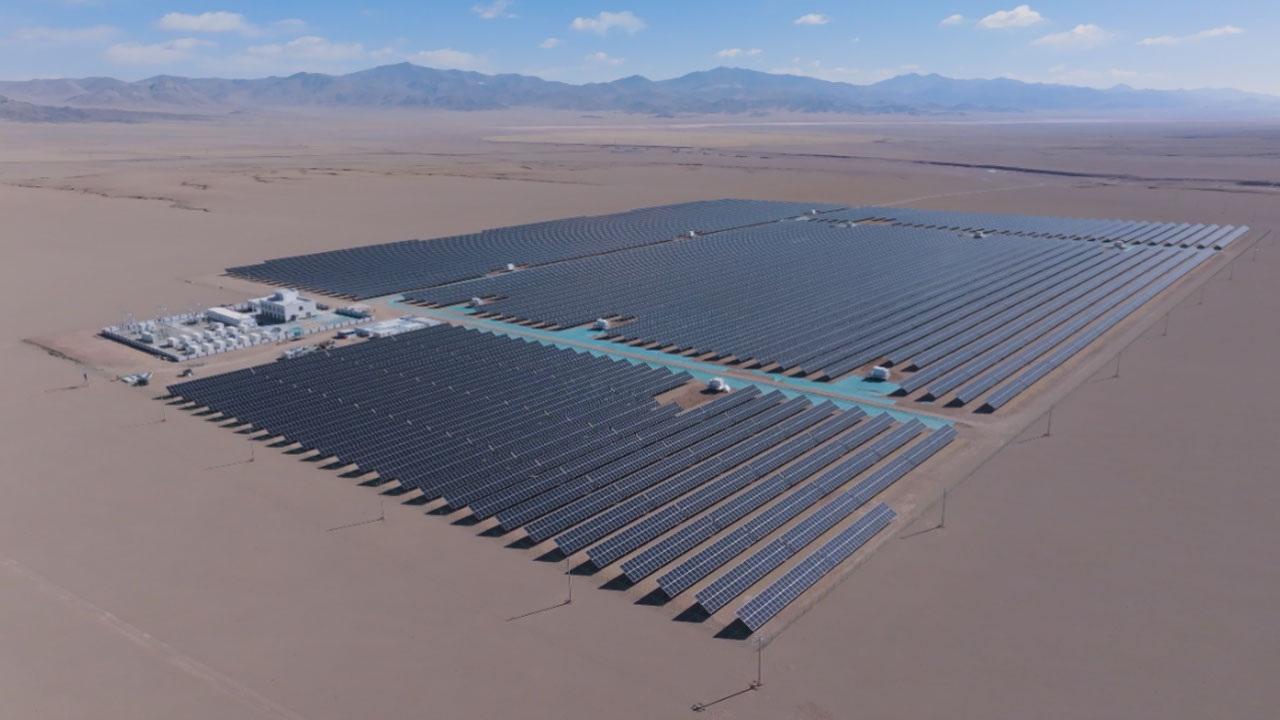
 Illustrative view of equipment used in 家庭绿电 projects.
Plan storage around when energy is needed
A battery can shift some solar energy from the hours of high generation to periods when household demand is greater. The useful battery size is therefore linked to the daily load curve, desired backup circuits, and the amount of surplus generation available to charge it. Oversizing storage without a clear usage pattern can increase project cost without delivering equivalent everyday benefit.
Make monitoring part of normal ownership
Digital monitoring helps homeowners and installers understand whether the system is producing as expected and whether an individual component needs attention. Useful information includes daily generation, household consumption, battery state of charge, grid import, and alerts. The platform should make these readings understandable rather than requiring the owner to interpret raw electrical data. For a closer look at the solution scope, review solar energy system and consider how its documented functions fit the site layout, electrical interfaces, and operating plan.
Define the operating boundary
A useful specification states what the equipment is expected to do, under which conditions, and where the supplier’s responsibility ends. Capacity, environmental limits, interfaces, protection behavior, and service assumptions should be written in measurable terms. This makes proposals easier to compare and gives commissioning teams a practical basis for acceptance.
Compare the project over its operating life
The purchase price is only one part of the financial picture. Generation assumptions, self-consumption, electricity tariffs, maintenance, battery replacement timing, warranties, and the cost of any electrical upgrades all influence long-term value. A transparent proposal should state its assumptions and show how the result changes if energy use, tariffs, or generation differ from the initial estimate. Performance should always be assessed against the actual installation conditions and the complete system boundary.
Prepare a useful handover package
At commissioning, the owner should receive the as-built electrical diagram, equipment list, warranty information, shutdown and restart instructions, and contact details for service. Monitoring access should be configured and tested. A clear handover makes routine operation easier and gives future installers the information they need if the property is modified or the system is expanded. A project specification for solar energy system should identify the applicable configuration, installation limits, commissioning checks, and service responsibilities.
Begin with the household load profile
A useful residential design starts with a record of how electricity is used throughout the day. Evening cooking, air conditioning, water heating, and vehicle charging can create very different demand patterns from a home that is empty during working hours. Reviewing seasonal bills and major appliances helps the installer estimate how much generation can be used directly and whether storage is likely to add practical value.
