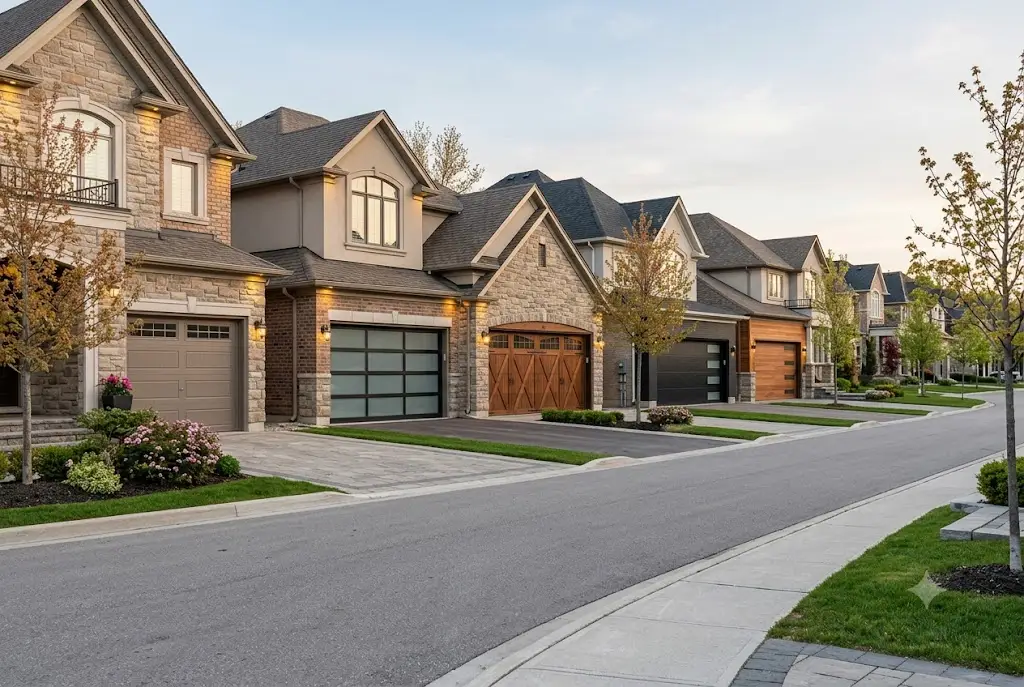
Choosing the right garage door is one of the most important decisions homeowners make when improving their property’s appearance, security, and functionality. With numerous styles, materials, and operating systems available today, understanding the different types of garage doors can help you make a more informed investment.
A garage door does much more than provide access to your garage. It contributes significantly to curb appeal, energy efficiency, safety, and daily convenience. Whether you’re building a new home, replacing an aging door, or exploring modern design options, understanding the available garage door types is the first step toward finding the ideal solution.
Why Choosing the Right Garage Door Matters
Garage doors often represent one of the largest visible features on a home’s exterior. The style you select can dramatically influence your property’s overall appearance and value.
Beyond aesthetics, different garage door designs offer varying levels of insulation, durability, maintenance requirements, and space efficiency. Factors such as climate, available headroom, budget, and architectural style should all influence your decision.
The Door and Access Systems Manufacturers Association provides valuable industry guidance on garage door safety, performance, and maintenance standards.
Sectional Garage Doors
Sectional garage doors are among the most common residential garage door types in North America. These doors consist of multiple horizontal panels connected by hinges.
As the door opens, the panels move vertically before curving along tracks and resting parallel to the ceiling.
Advantages of Sectional Doors
- Excellent insulation options
- Wide range of styles and materials
- Smooth and quiet operation
- Suitable for most residential properties
- Strong security features
Many homeowners looking for the best residential garage doors often choose sectional models because of their versatility and reliability.
Roller Garage Doors
Roller garage doors are designed using narrow slats that roll into a compact coil above the garage opening. They are particularly popular where space is limited.
These doors are commonly used in residential garages, commercial facilities, and storage buildings.
Benefits of Roller Garage Doors
- Space-saving design
- Minimal ceiling track requirements
- Durable construction
- Suitable for smaller garages
- Low maintenance requirements
If you’re considering a compact and efficient solution, our guide on garage shutter door systems explores the advantages of roller shutter garage doors in greater detail.
Overhead Garage Doors
The term overhead garage door refers to any garage door that opens upward and stores above the garage opening. Sectional doors are technically overhead doors, but the category also includes specialized configurations.
Overhead doors are popular because they maximize driveway space and provide smooth automated operation.
Homes with high ceilings may benefit from a high lift garage door system, which creates additional storage and workspace inside the garage.
Side-Hinged Garage Doors
Side-hinged garage doors operate similarly to traditional entry doors. Rather than moving upward, the door panels swing outward from hinges mounted on the sides of the opening.
These doors are often chosen for traditional homes, workshops, and garages that require frequent pedestrian access.
Advantages
- Classic appearance
- Simple mechanical design
- Easy access without fully opening the door
- Suitable for garages with limited headroom
Barn Style Garage Doors
Barn-style garage doors have become increasingly popular among homeowners seeking rustic charm and architectural character. Inspired by traditional agricultural buildings, these doors create a distinctive visual impact.
Modern versions combine classic aesthetics with contemporary operating systems.
Homeowners interested in farmhouse-inspired designs may also explore barn style garage doors, including bifold and folding garage door options.
Wood Garage Doors
Wood garage doors remain a premium choice for homeowners who value natural beauty and craftsmanship. Available in numerous species, finishes, and custom designs, wood doors offer unmatched visual warmth.
However, they generally require more maintenance than steel or aluminum alternatives.
Benefits of Wood Garage Doors
- Timeless appearance
- Custom design flexibility
- Premium curb appeal
- Natural insulation properties
Many custom wood doors feature decorative wood garage door panels that enhance architectural detail and personalization.
Steel Garage Doors
Steel garage doors are among the most durable and cost-effective options available today. They are available in insulated and non-insulated versions and can replicate the appearance of wood without extensive maintenance.
Steel doors are particularly popular among homeowners seeking durability, security, and affordability.
Aluminum and Glass Garage Doors
Modern architecture has fueled demand for contemporary garage door designs that maximize natural light and visual openness.
Aluminum and glass garage doors feature lightweight frames combined with transparent, frosted, or tinted glass panels. These doors create a sleek, modern appearance while maintaining functionality.
For homeowners seeking contemporary curb appeal, modern glass garage doors offer elegant design options including clear garage doors and aluminum glass garage door systems.
Black Garage Doors
Color selection can dramatically influence a home’s exterior appearance. Black garage doors have become a leading design trend because they provide bold contrast and complement a wide range of architectural styles.
Whether paired with white exteriors, brick facades, or contemporary homes, black finishes create a sophisticated and upscale look.
Explore design inspiration and material options in our guide to black garage doors.
Insulated vs Non-Insulated Garage Doors
Insulation is an important consideration, especially for garages attached to living spaces.
Insulated doors help regulate temperatures, reduce energy costs, minimize outdoor noise, and improve overall comfort.
Homeowners in regions with extreme temperatures often benefit significantly from upgrading to insulated garage door systems.
Factors to Consider When Choosing a Garage Door
Home Architecture
Select a style that complements your home’s exterior design. Modern homes often pair well with glass and aluminum doors, while traditional properties may benefit from wood or carriage-house designs.
Budget
Garage door pricing varies widely depending on materials, insulation, customization, and automation features.
Maintenance Requirements
Wood doors typically require regular refinishing, while steel and aluminum options generally require less upkeep.
Climate Conditions
Local weather conditions can influence material selection, insulation needs, and long-term durability.
Security Features
Modern garage doors include reinforced panels, advanced locking systems, and smart opener compatibility for improved security.
Final Thoughts
Understanding the various types of garage doors allows homeowners to balance appearance, performance, budget, and long-term value. From traditional sectional and roller doors to contemporary glass designs and rustic barn-style options, today’s market offers solutions for virtually every property and lifestyle.
As you evaluate your options, consider your home’s architecture, storage requirements, insulation needs, and aesthetic preferences. The right garage door not only improves functionality but also enhances curb appeal and contributes to your property’s overall value for years to come.
