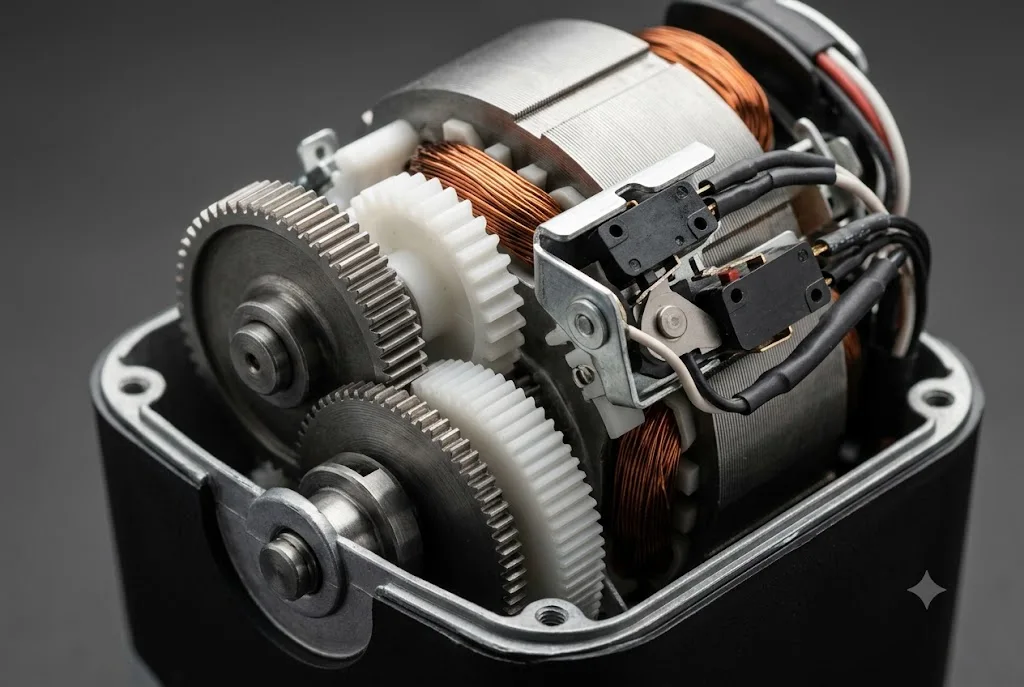
Within any automated residential or commercial entry system, the most critical powerhouse is hidden inside the overhead chassis. While tracks, springs, and cables handle the structural balance, the garage door motor is the primary component that dictates operational speed, safety, and lifting reliability. Frequently referred to by industry experts and property managers as the central garage door machine, this electro-mechanical heart converts electrical energy into precise mechanical force. For property owners across the UAE—where regional conditions like extreme summer heat, fine desert dust, and high humidity pose continuous operational challenges—understanding the internal configuration of this device is vital for maintaining home accessibility.
Choosing, calibrating, and maintaining this heavy-duty hardware requires an understanding of its internal electrical mechanics. This comprehensive technical guide explores how these motors function, the structural differences between power types, the crucial role played by components like the travel limit system, and how to maximize the lifespan of your mechanical investment.
AC vs. DC Power: The Core of the Garage Door Machine
Modern garage door machinery operates using one of two electrical engineering standards: Alternating Current (AC) or Direct Current (DC). The underlying motor type influences everything from the sound profile of your garage to the overall longevity of the mechanical gear assemblies.
Alternating Current (AC) Motors
AC motors have long been the traditional choice for heavy overhead doors. They operate at a constant, unvarying speed from the moment the electrical circuit closes until the cycle terminates. Because they feature a simpler electrical architecture, AC-driven systems are exceptionally durable and resistant to minor electrical fluctuations. However, because they run at full speed instantly, they exert a high amount of initial stress on the drive gears and brackets. This direct start-and-stop motion results in a louder operational profile and increased wear over extended periods of heavy use.
Direct Current (DC) Motors
In contrast, DC motors have rapidly become the modern standard for premium residential villas throughout the UAE. DC-powered units provide electronic control over rotational speed, allowing for a feature known as “soft start and soft stop” technology. When activated, the motor starts moving the door slowly, accelerates to full operational speed during the middle of the travel path, and then slows down gently before reaching the floor or header line. This variable speed control significantly reduces structural vibration, minimizes noise, and decreases mechanical strain on the entire system. Furthermore, DC motors are smaller, lighter, and naturally compatible with battery backup systems and integrated smart garage door opener installations.
The Vital Role of the Garage Door Limit Switch
An electric motor requires an internal regulatory system to determine when to stop running. Without a mechanism to track positioning, the motor would continuously attempt to drive the door past its structural boundaries, burning out the electrical windings or warping the tracking framework. This critical positioning task is managed entirely by the garage door limit switch.
The limit switch acts as the spatial sensor for the central processing unit. When you initiate an opening or closing sequence using a garage door remote, the motor spins a drive shaft that moves the door panel. Concurrently, a minor internal gear or electronic counter tracks the exact distance traveled. There are two primary types of limit systems utilized in modern garage door machinery:
- Mechanical Limit Switches: These classic assemblies utilize physical micro-switches positioned along the internal chassis or the main drive rail. As the internal trolley or plastic limit nut travels down a threaded shaft, it physically contacts a metal lever, breaking the electrical connection and stopping the motor instantly.
- Electronic Limit Switches: Found in modern DC-driven machines, these systems use optical sensors or magnetic encoders to count the exact number of motor revolutions. This allows for highly precise tracking that can be digitally adjusted directly via the system’s external control panel.
If your travel settings are improperly calibrated, you will likely encounter operational failures, such as your automated garage door not closing fully or hitting the floor and immediately reversing back into the open position. Mastering the calibration steps outlined in a professional how to program a garage door opener manual allows property owners to re-establish proper travel limits, protecting the motor from unnecessary physical strain.
Environmental Impact on UAE Garage Machinery
The climate conditions of the Middle East demand rigorous performance standards from automated entry hardware. High ambient temperatures exceeding 50°C during peak summer months can cause localized heat buildup within sealed motor casings. To protect internal circuitry from melting, premium motors are equipped with built-in thermal overload protection switches, which temporarily deactivate the machine if safe running temperatures are exceeded.
Additionally, airborne sand particles can penetrate standard ventilation slits, mixing with internal lubricants to form an abrasive paste that degrades nylon and steel gears. This environmental wear makes routine, localized garage door maintenance absolute essential. Periodically clearing away dusty residue, checking internal gear lubrication, and inspecting the structural balance of the door ensures the motor does not have to work twice as hard to lift the identical load, extending the active lifecycle of your entire garage door opener system.
Safety Regulations and Component Quality
Because an industrial or residential garage door is often the single largest moving object inside a property, motor manufacturing must adhere to strict international safety and electrical guidelines. High-quality automated machines are engineered to include internal force-sensing technology. If the motor encounters sudden physical resistance during its downward path—indicating an obstruction—it is programmed to halt structural movement and reverse direction within milliseconds.
To ensure maximum operational safety, homeowners should look for hardware that bears certification from globally recognized independent safety organizations. For instance, electric motor components certified by UL Solutions undergo rigorous testing for thermal endurance, electrical insulation integrity, and resistance to sudden voltage spikes, providing peace of mind to property managers regarding fire safety and mechanical reliability.
Conclusion
Whether your property relies on a classic heavy-duty AC system or a whisper-quiet, modern DC variable-speed motor, understanding the mechanical engineering of your garage door machine allows you to diagnose early signs of wear and make educated upgrade choices. By keeping an eye on the alignment of your garage door limit switch, protecting the chassis from dust accumulation, and sourcing certified hardware, you ensure that this essential home entry mechanism continues to provide smooth, dependable performance for years to come.
