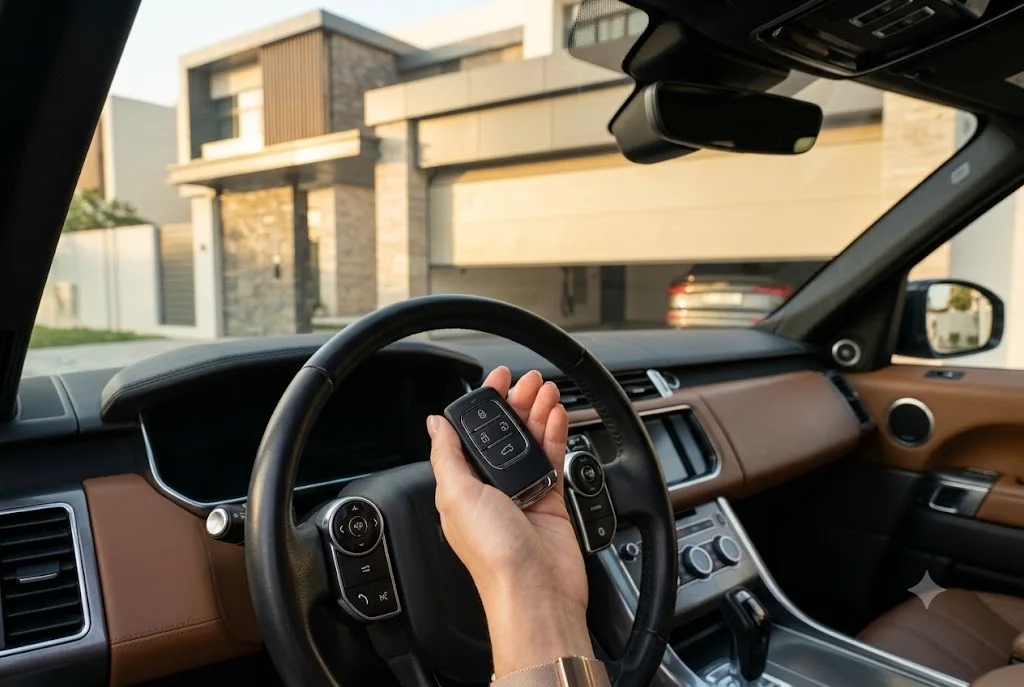
Modern convenience relies on small devices. The garage door remote control is a perfect example. It sits in your car or hangs on your keychain. You press it every day. It grants quick access to your home. In the UAE, a smooth entry is essential. The summer heat is intense. Sandstorms happen unexpectedly. Nobody wants to step out of a cooled vehicle to open a heavy gate manually. A reliable remote keeps you safe and comfortable inside your car.
Hardware can deteriorate over time. Buttons wear out. Plastic casings crack. Batteries drain completely. Sometimes, keys simply get lost. Replacing or upgrading your remote requires a bit of knowledge. You must match frequencies. You need to understand rolling codes. This guide simplifies the entire process. It covers remote types, troubleshooting steps, and security upgrades for your property.
How a Garage Door Remote Control Works
The mechanics are simple but precise. The remote is a small radio transmitter. The overhead chassis contains a radio receiver. You press the button. The remote sends an encrypted wireless signal. This signal travels across a specific frequency. The receiver catches the message. It verifies the identity code. Then, it activates the internal garage door motor. The door opens or closes instantly.
Older entry systems used fixed codes. The remote sent the exact same signal every time. This design was highly insecure. Thieves could intercept the radio signal easily. They used simple code-grabbing tools to steal data. Modern entry systems completely eliminate this risk. They use rolling code technology instead.
The code changes after every single use. The transmitter and receiver sync automatically. They choose from billions of possible combinations. A stolen code is completely useless. It expires immediately after the door moves. This technology protects your vehicle. It keeps your main residential entry point safe from digital intruders.
Types of Garage Door Remotes Available
Different properties require different hardware configurations. You have several choices when replacing a misplaced device.
Single-Button and Multi-Button Remotes
Single-button models are straightforward. They control one specific door. They are compact and highly reliable. Multi-button models offer more flexibility. They feature two, three, or four separate buttons. Each button operates a different asset. You can open your main community gate with button one. You can open your private villa door with button two. This design keeps your keychain clean. It removes the need to carry multiple plastic fobs.
Universal Remotes
Universal entry controllers are highly popular. They are engineered to mimic various brands. They work across different radio frequencies simultaneously. A single universal device can connect to older hardware and modern systems alike. This makes them excellent backup options. They are easy to find in local retail markets. They bridge the gap between different manufacturing standards.
The Smart Garage Door Remote
Technology continues to advance rapidly. The classic key fob is evolving. Many homeowners now choose a modern smart garage door remote system. This approach replaces physical plastic remotes entirely. It utilizes an internet-connected application on your mobile device. Your smartphone becomes your primary controller. You can check entry logs from your office. You can open the door for a delivery driver while sitting in a cafe. It offers complete control over your home perimeter from any location globally.
Step-by-Step Syncing and Configuration
Buying a new remote is only the first step. The device will not work straight out of the box. You must pair it with your existing overhead machinery. This process links the new transmitter to your system’s digital memory pool.
First, find the programming panel. This is usually located on the back of the overhead chassis. Look for a small colored button. It is often labeled as the Learn button. Press this button quickly. A small light will begin to blink on the housing. This signal indicates the receiver is listening. It stays in pairing mode for roughly thirty seconds.
Next, pick up your new remote control. Press the main button firmly. Hold it down for two seconds. Release the button slowly. The overhead work light will usually flash. Alternatively, you might hear a loud click from the machine. This sound confirms a successful connection. The system has recorded the new rolling code signature. For a deeper breakdown of various brands and advanced keypads, refer to our comprehensive how to program a garage door opener guide.
Troubleshooting Common Signal Failures
Remotes can malfunction unexpectedly. A sudden failure disrupts your schedule. Fortunately, most common issues are easy to fix without professional tools.
Start with the simplest variable. Check the battery. Remotes use small coin-cell lithium batteries. These cells drain over a couple of years. A weak battery reduces the transmission range significantly. You might have to drive right up to the glass before the door responds. Replace the old battery with a fresh one. This step solves a large majority of signal issues immediately.
Next, look for local radio interference. High-powered electronics can disrupt wireless transmissions. Local telecommunication towers can also cause range reduction. Sometimes, cheap LED bulbs inside the main garage door opener housing emit electromagnetic fields. These fields block the remote signal completely. Try removing the bulbs temporarily. Test the remote range again to see if performance improves.
Physical defects can also block operations. Dust accumulates inside the remote casing over time. Fine desert sand can slip under the rubber buttons. This dirt prevents the electrical contact from closing properly. Carefully open the plastic shell. Clean the green circuit board with a dry microfiber cloth. Remove any loose particles. Reassemble the unit cleanly.
If the remote works but the door stops midway, the issue is mechanical. Physical blockages trigger internal safety systems. If you find your garage door not closing properly, check the safety sensors. These infrared eyes sit near the floor. Wipe the lenses clean. Ensure they point directly at each other. Safety guidelines regulated by the Federal Communications Commission ensure these radio frequencies operate cleanly without causing dangerous cross-device malfunctions.
Essential Security Practices
A remote control is a physical key to your house. Treat it with the same care as your front door key. Never leave your remote visible on your car dashboard. Valet parking attendants or car wash workers can scan your code quickly. Thieves can break your car window to steal the fob. They gain instant entry to your entire home.
If you lose a remote, take immediate action. Do not wait to find it. Go to your overhead motor unit on your ceiling. Press and hold the Learn button down continuously. Keep holding it for roughly ten seconds. The indicator light will turn off completely. This action wipes the system memory clean. Every single registered remote is erased instantly. Old keys will no longer open your home. Afterward, manually reprogram only the remotes that are safely in your possession. This simple reset is a vital part of learning how to secure garage door pathways effectively.
Combine digital resets with routine mechanical upkeep. Schedule a professional garage door maintenance check once a year. Technicians inspect the antenna wire on the receiver. They ensure it hangs straight down to catch signals perfectly. A healthy antenna ensures fast response times every time you click your button.
Conclusion
Your garage remote control provides effortless daily access. Keep the batteries fresh. Clean out dust regularly. Use rolling code systems for total protection. If a remote goes missing, clear the motor memory immediately to secure your property. Proper maintenance ensures your access system functions reliably through every season.
